7 Leaves Cafe
Introduction + Context
7Leaves is a coffee and tea chain that emphasizes quality ingredients and a sense of care and community in its customer experience. The company’s mission is “to enrich the human experience by serving the very best coffee, tea, and goodness in every cup and community.”
Today, customers have high expectations for the mobile ordering experience. 7Leaves’ current app has numerous opportunities to improve its ease of use and visual appeal.
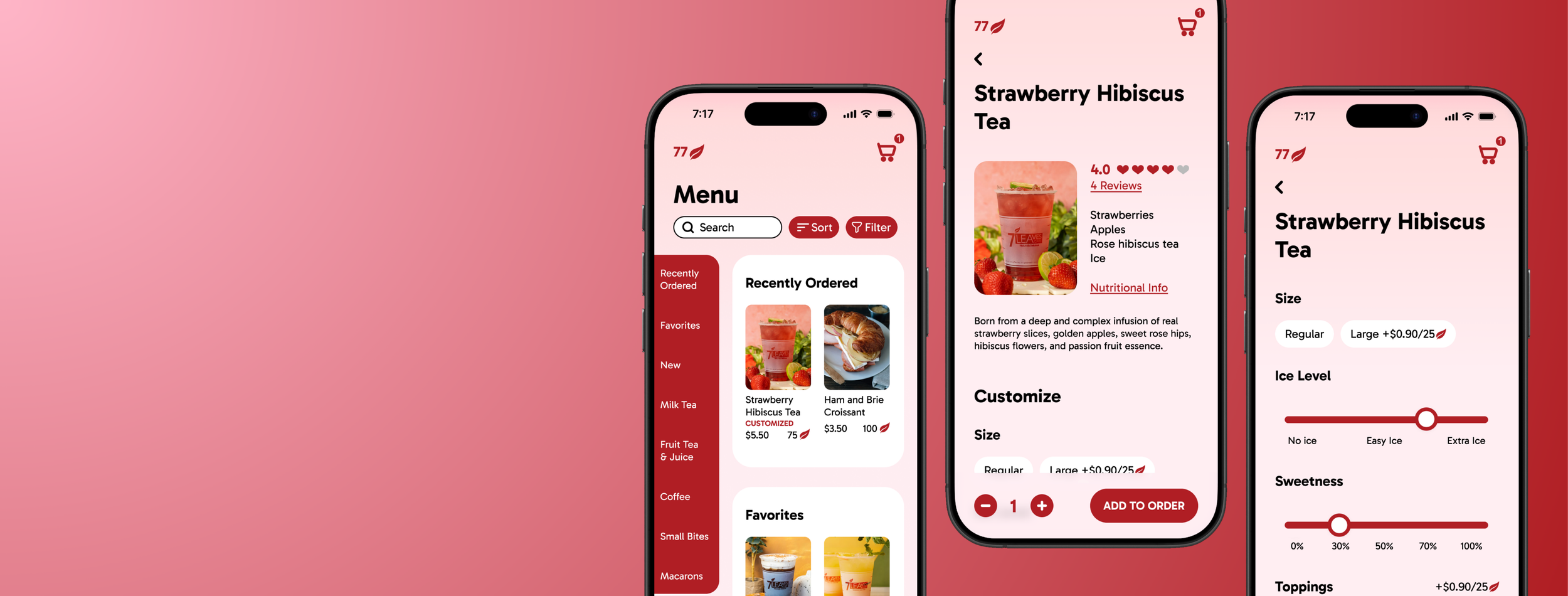
This project was a 3 month collaborative effort with a team of 4, completed under the supervision of the User Experience Design Certificate program at UCLA Extension. My role primarily focused on designing two flows: finding, learning about, and customizing menu items, and understanding and enrolling in the rewards program.
Role: Designer and researcher
Tools: Figma, SurveryLegend
Duration: 3 months
Year: 2025
Exploration/Discovery
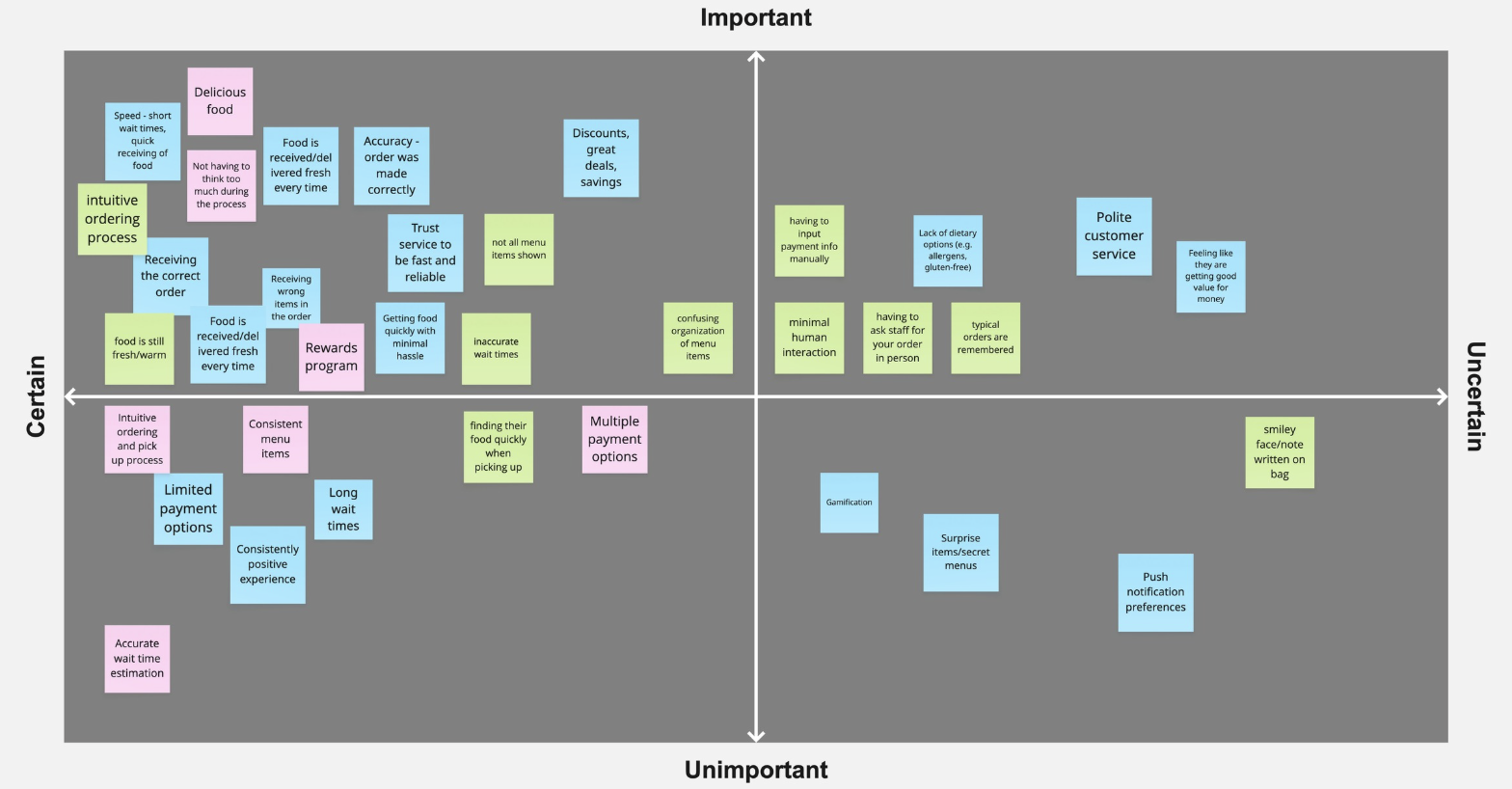
We began our project by conducting an assumptions mapping exercise, where we listed our assumptions about what customers expect, love and hate about the mobile ordering process. We got a better sense of what features might be most impactful to work on. Later on, our survey responses challenged or strengthened these ideas.
Assumptions mapping
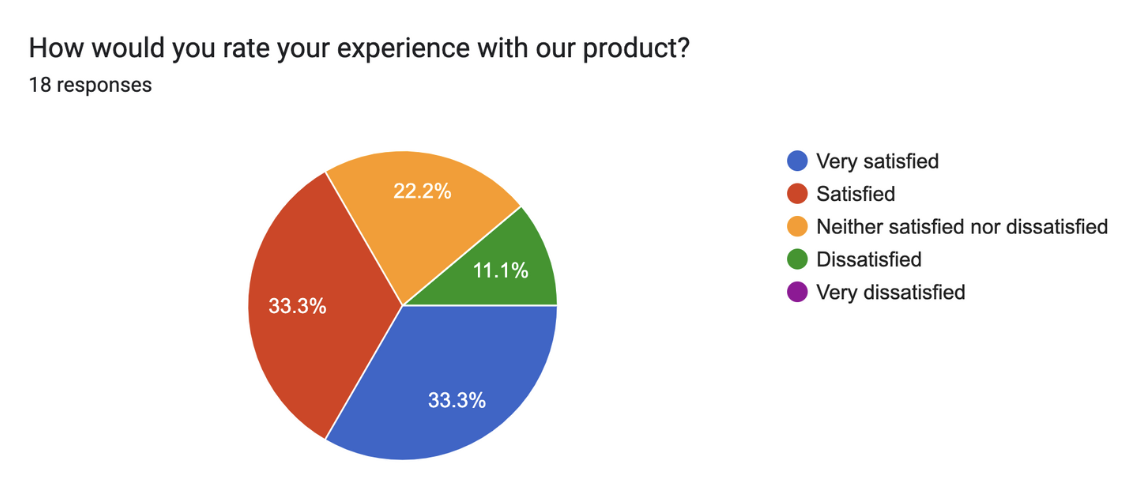
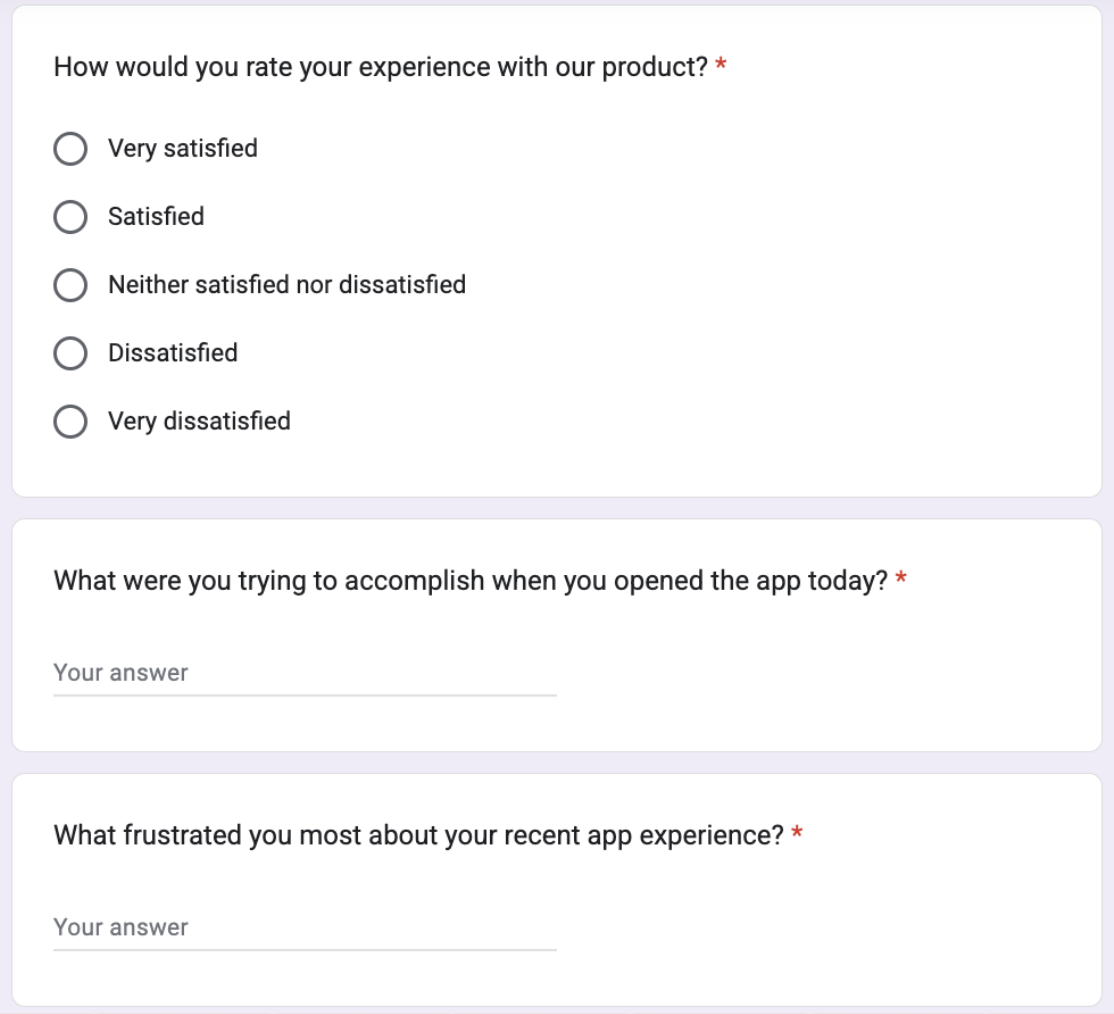
We then sent out a survey in order to gather insights on areas the current app could be improved, and areas where the app is already succeeding. Some themes emerged: difficulty browsing the menu, confusion around the rewards program, no real-time order tracking, and no sense of community/product reviews.
Survey on current app
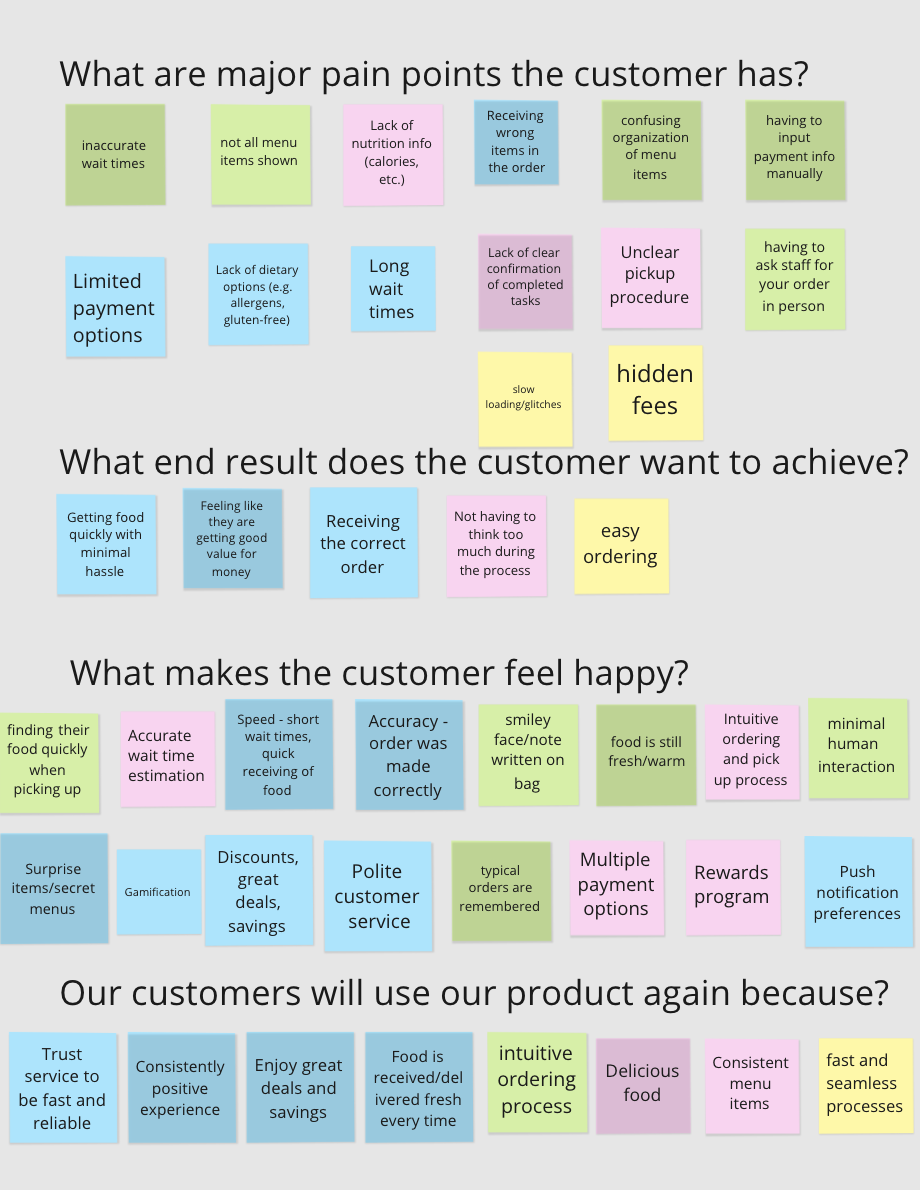
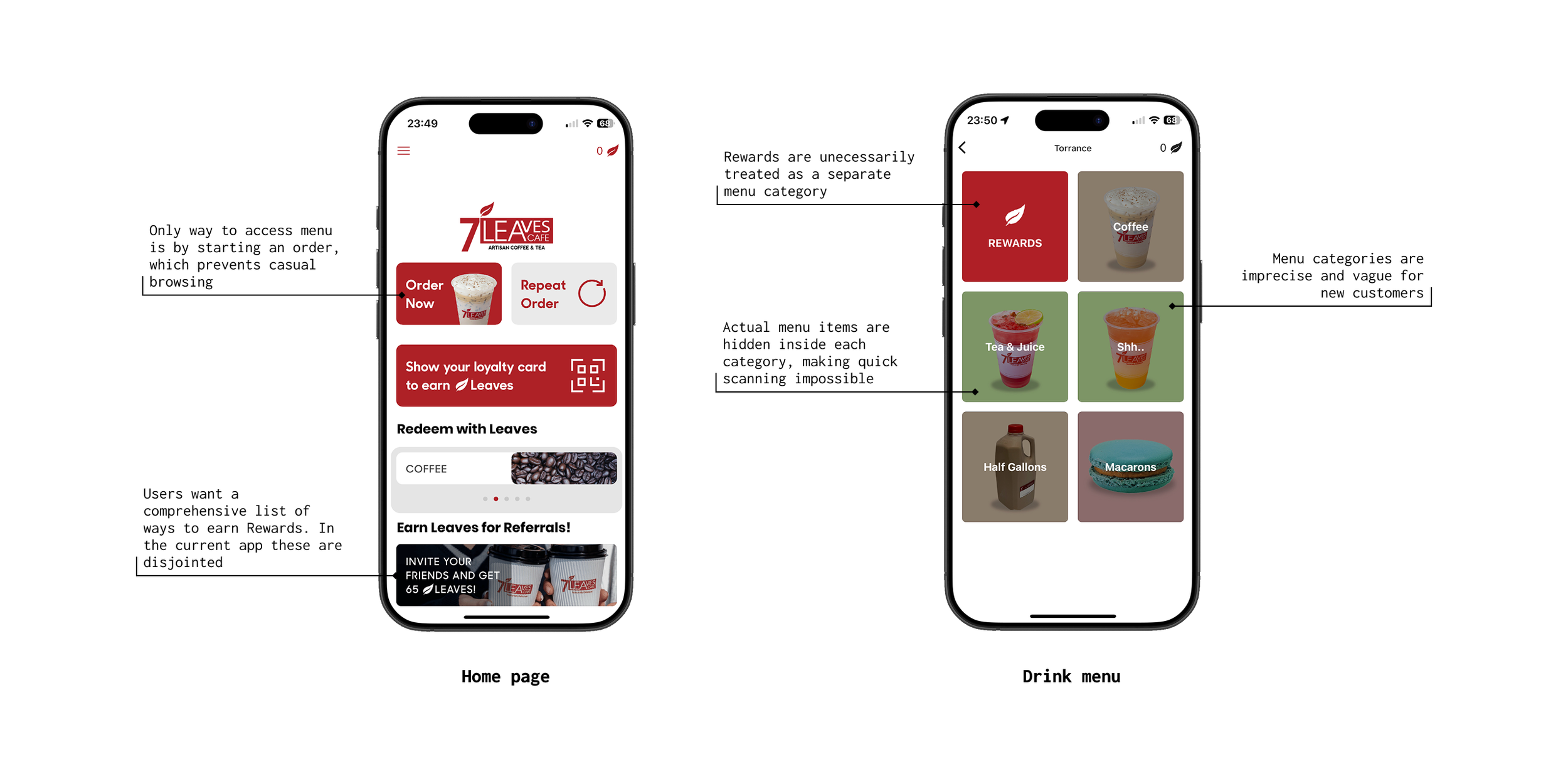
Analysis of current 7Leaves app
Finally, we synthesized our initial assumptions and user survey responses to complete a final analysis of the 7 Leaves app and its pain points:

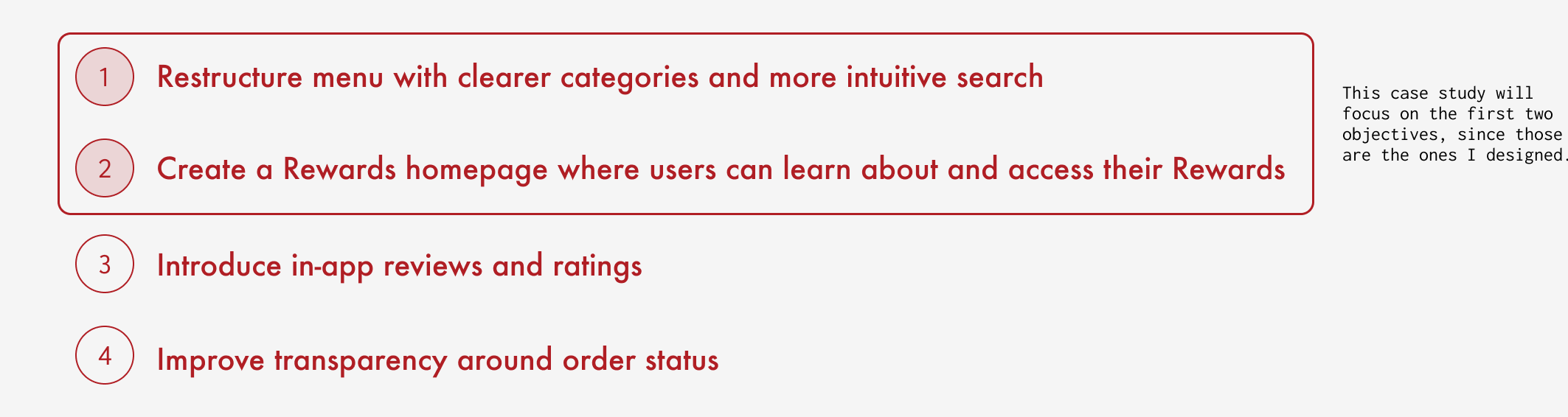
Finalized project objectives
Taking our research and analysis into account, we narrowed down the four objectives that would guide our project:
Design Process
With our initial research complete, we began the design process for our objectives.
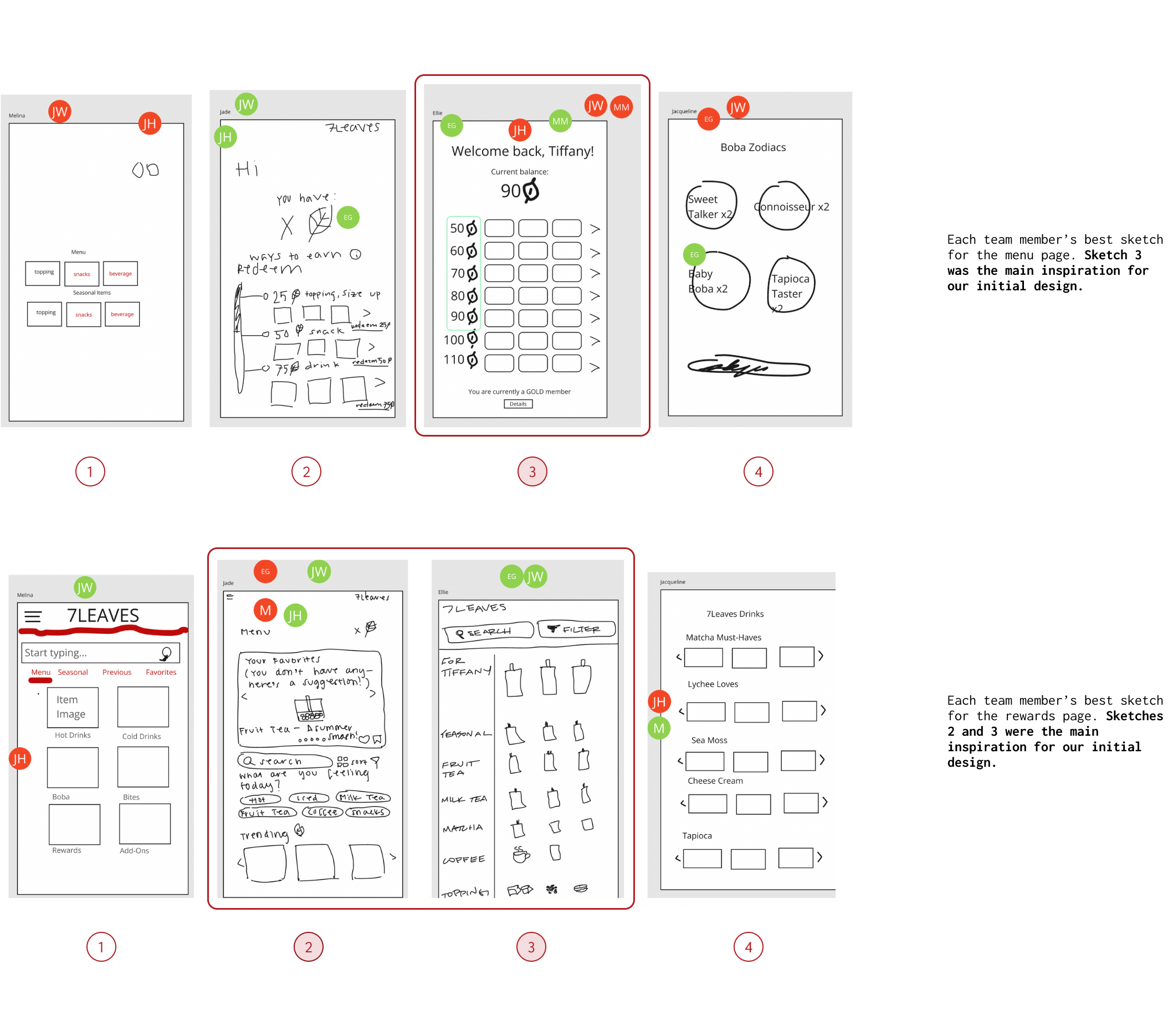
Ideating with Crazy 8’s sketches
After narrowing down the pain points we wanted to address, my team and I conducted a Crazy 8’s exercise to spark design ideas. Once we finished our sketches, we conducted a critique and were left with the preliminary designs for our prototype.
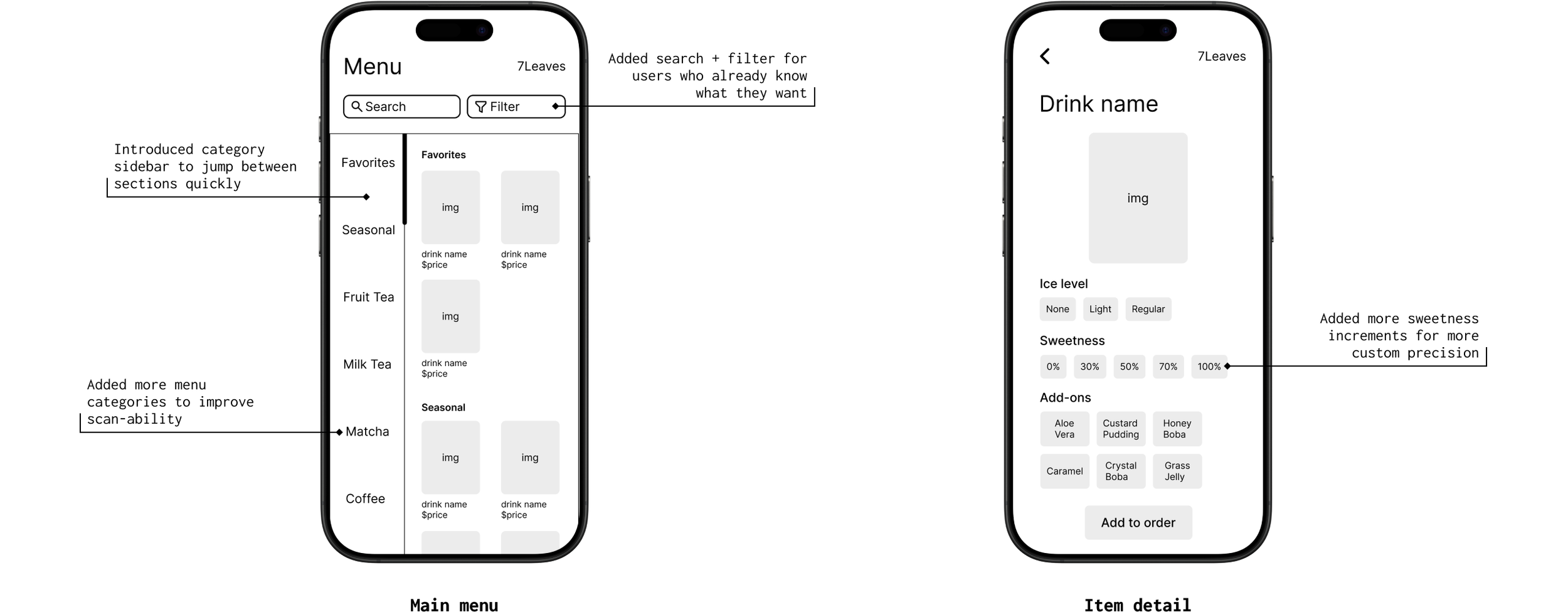
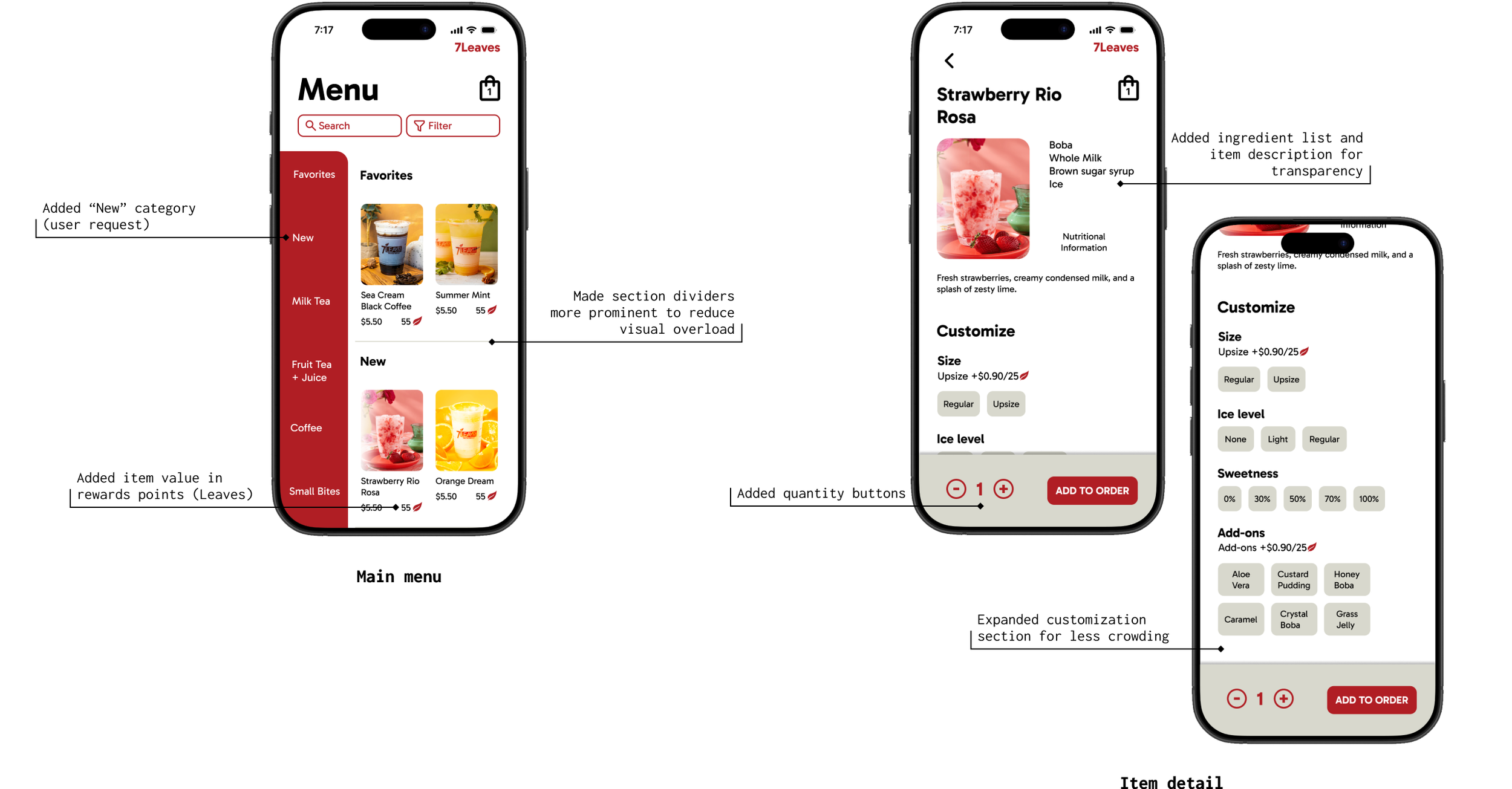
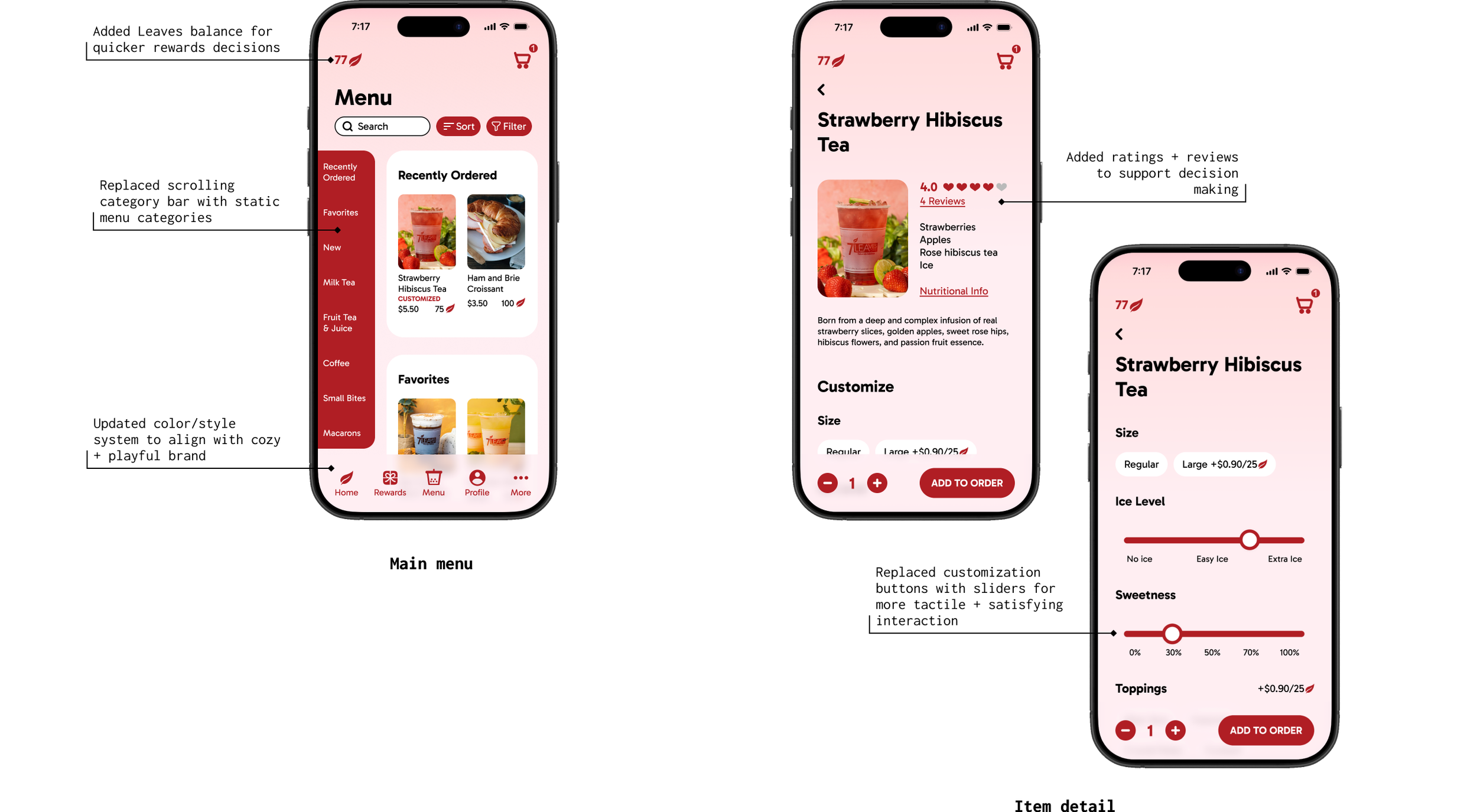
Flow 1 — Browse and Customize
Objective: Restructure menu with clearer categories and more intuitive search.
Click through slideshow to see prototype evolution
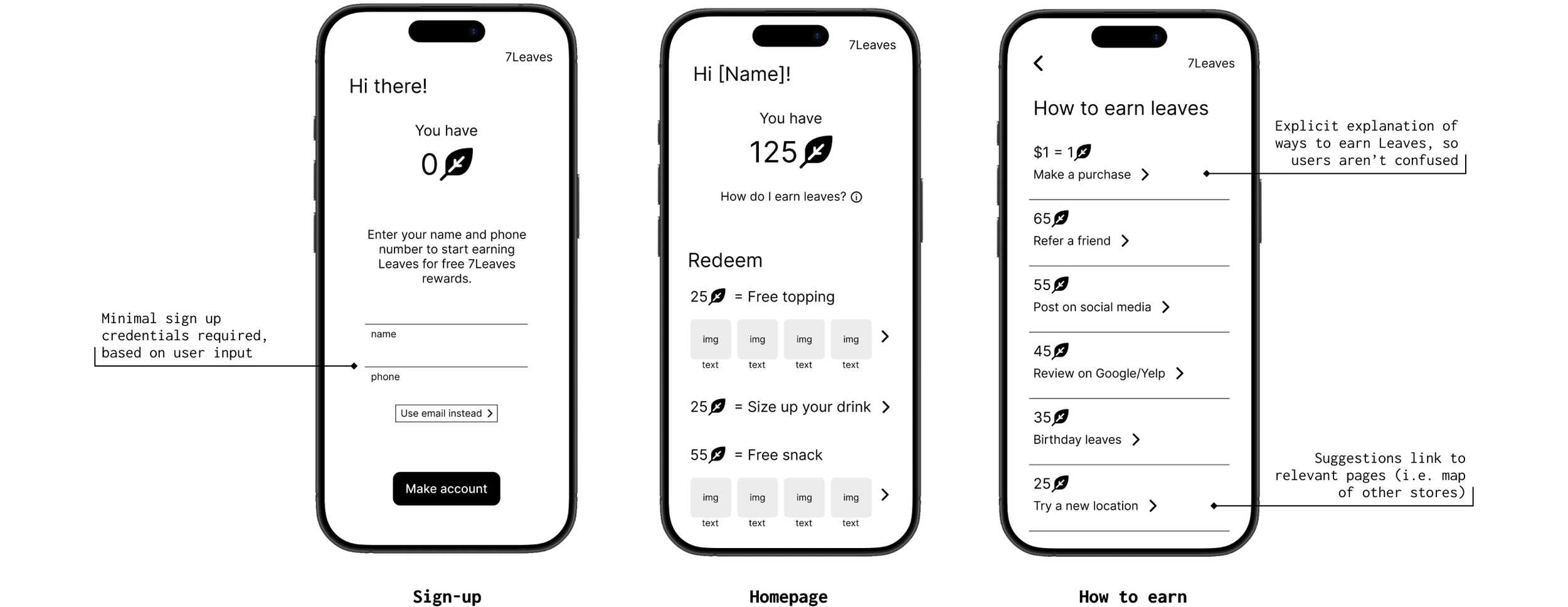
Low to High Fidelity Prototypes
Guided by my team’s sketches, I designed prototypes for our first two objectives, working from low fidelity to high fidelty.
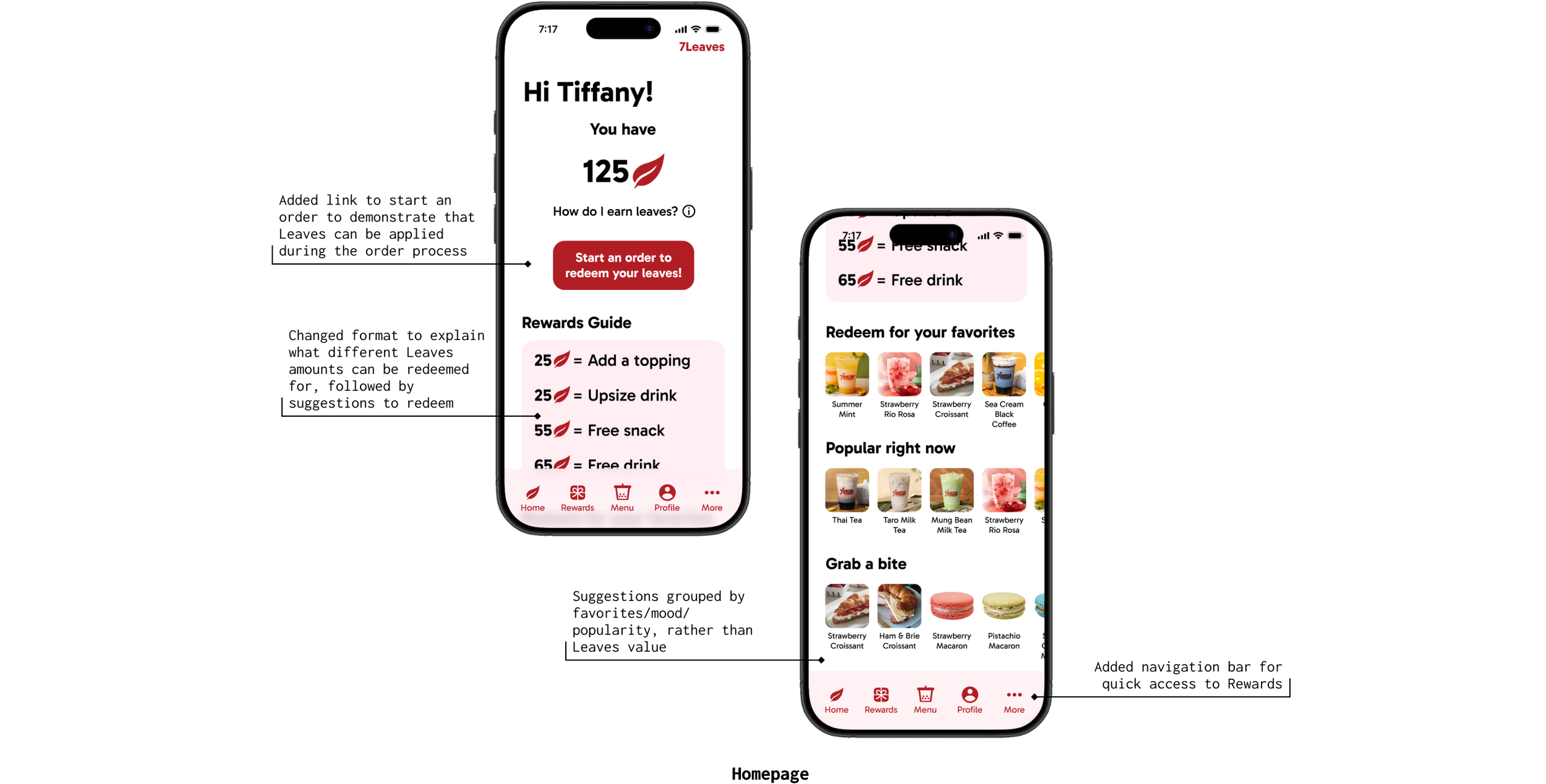
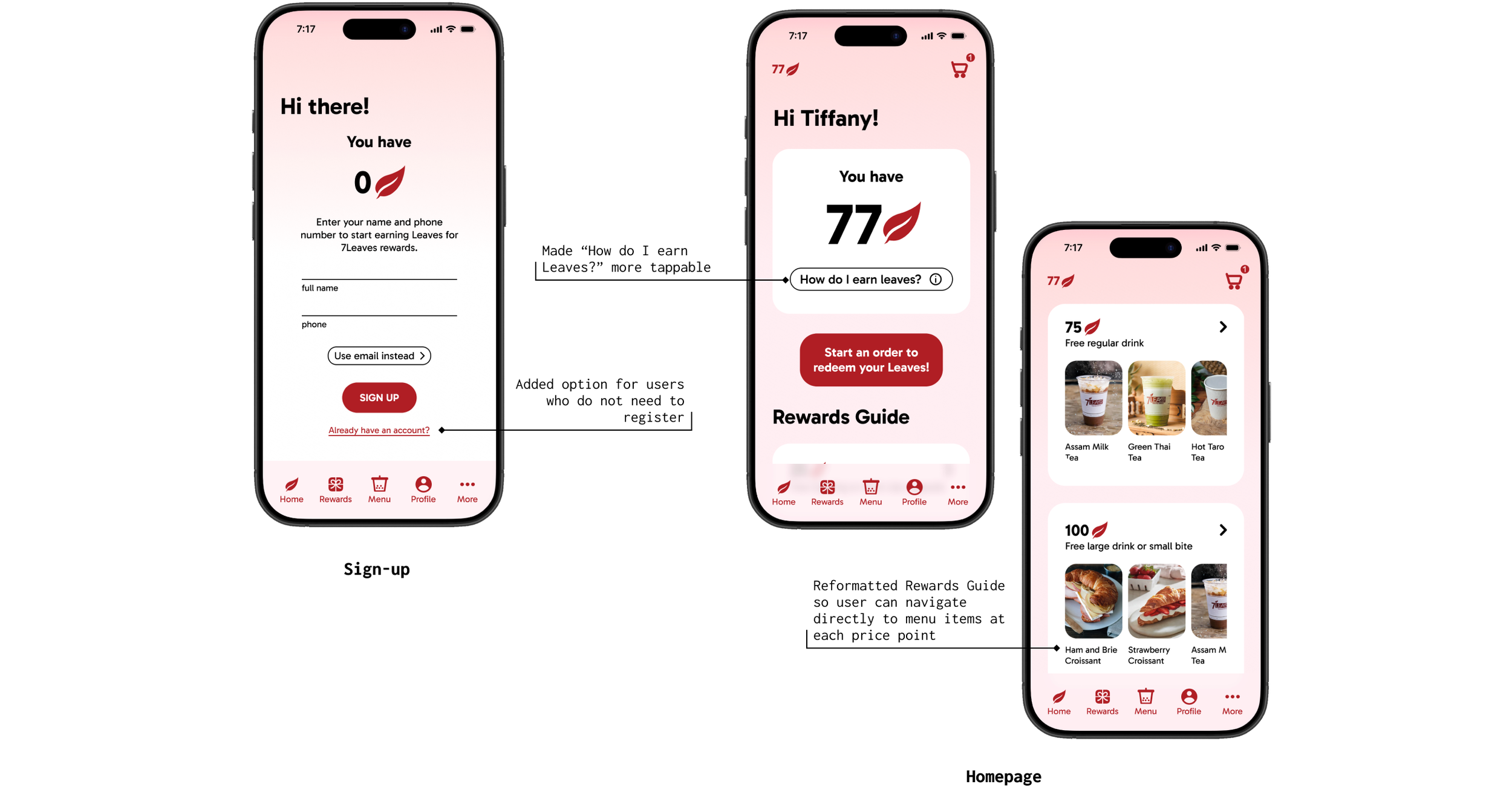
Flow 2 — Discover and redeem Rewards
Click through slideshow to see prototype evolution
Objective: Redesign the rewards system to be more intuitive and visible.
Final Prototype Demos
Our final prototypes reflect the standards customers expect for the mobile ordering process, and are tailored to the feedback we received on each iteration of the app.
Flow 1 — Browse and customize
Click phone screen to watch demo
Flow 2 — Discover and redeem Rewards
Click phone screen to watch demo
Takeaways
This project was an excellent introduction to the dynamics and challenges of working on a UX challenge with a team. In the discovery phase, I found that having others to bounce ideas off of was much more invigorating and productive than working alone. During the design phase, I experienced both sides of the critique process: advocating for my design choices when I truly believed in them, and applying my fellow designer’s input when she thought my work could be improved or changed. I learned not to get too personally invested in my designs, because the goal was to create the best possible outcome for our target users, not to create a passion project.
If I did this project again, I’d facilitate more communication between the designers and researchers during the user testing phase. Occasionally, we sent out surveys that weren’t as relevant to that week’s iteration as they could have been, and missed out on some insights as a result. Ultimately, my teammates taught me a lot, and I know that this project came out stronger because we worked together.